


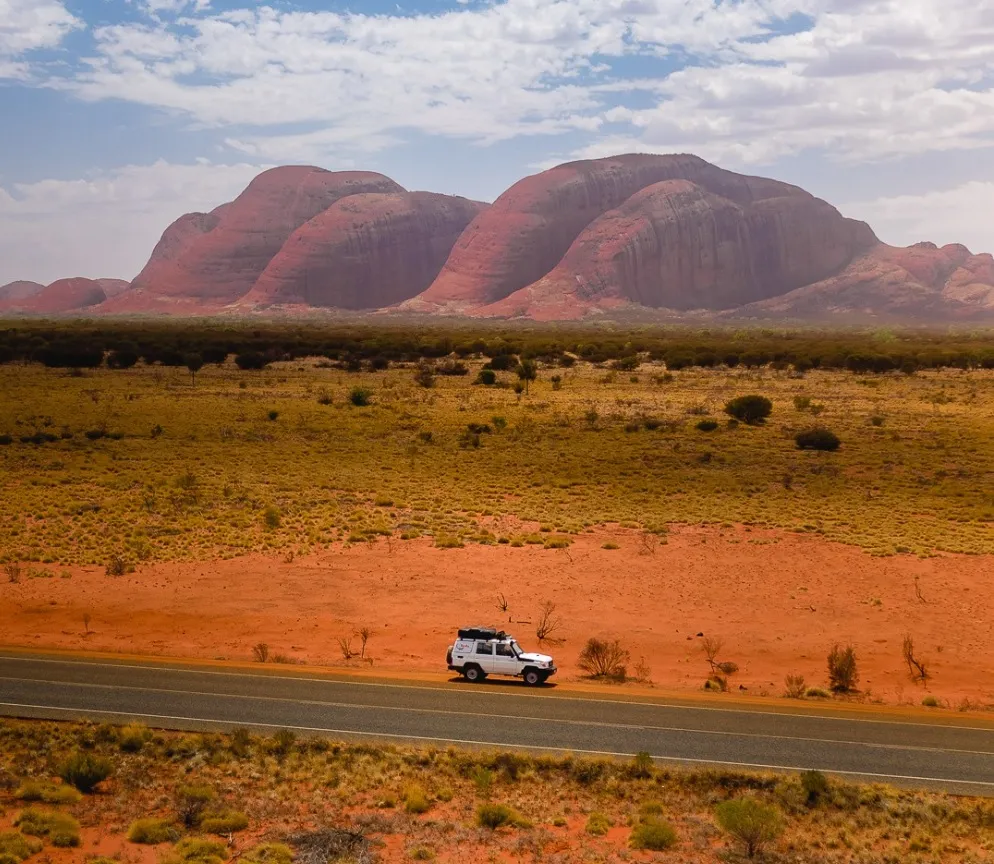
When you think of the Australian outback, Uluru-Kata Tjuta National Park is the quintessential embodiment of the spirit and agelessness of this enormous country. The rock is also distinguished as Ayers Rock, as it is commonly referred to by Australians. One can’t help but be moved by the great natural beauty and cultural significance that is revered amongst the Indigenous people of Australia. Uluru and Kata Tjuta are both located within this park; they represent an incredible combination of natural beauty and aboriginal traditions.
Why Uluru Is Sacred
It is not only a picturesque postcard, but it also holds a deep spiritual meaning for its traditional owners -the Anangu people. It has been said that these ancient rocks constitute part of their mythology or, rather, their creation stories, literally being “as old as the rocks themselves” (Carmody).
These narratives have never been mere myths or legends; they are laws governing the land passed down by Aboriginals through generations. There’s something really cool about visiting a place where you can breathe in history through every tiny breath you take while looking at those ancient images painted on some walls inside those caves.
Best Time to Visit
Timing is crucial to any visit to Australia’s arid desert heartland. The best time to visit Uluru-Kata Tjuta National Park falls between May and September when temperatures have dropped off from boiling point slightly.

Sunrise and Sunset Times
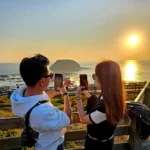
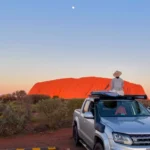
A must-do experience is taking photographs or simply watching how both Uluru and Kata Tjuta undergo changes as daylight wanes or appears at dawn, respectively (Edwards). At sunset, the conglomerate becomes red or orange according to sunlight levels shining on them during this time of twilight just prior to dusk setting in behind them below the horizon line. There are no words to describe what it feels like in such moments as nature unleashes all its beauty. You will have to reach any of the viewing areas long before sunrise or sunset because they might be crowded by people who just sit and wait.
Accommodation Options
The choices for where you will stay around Uluru range from luxurious to rough. Ayers Rock Resort includes several different types of accommodations, from Sails in the Desert, which is expensive, to budget-friendly Outback Pioneer Hotel and Lodge. If you prefer sleeping under starry skies, there are campsites at Ayers Rock Campground, both powered and unpowered.



How to Book Your Stay
When thinking about where to stay around Uluru-Kata Tjuta, you need to book your accommodation well in advance, especially during peak tourist seasons. Book directly through the cyers Rock Resort website or a number of travel agencies that provide tailor-made Australian Uluru tours, including Uluru, as part of their Australian itineraries.
Rules and Regulations
Visiting such a revered place comes with its responsibilities. The park has been entrusted into the hands of Parks Australia, so here are some key rules:
- Pet Policies: As this is an area teeming with natural wildlife which forms a fragile ecosystem extra care is taken not to let pets enter.
- Drone Usage: To preserve the peace of both visitors and wildlife, Parks Australia has prohibited the use of drones without specific permission.
Table: Quick Guide to Park Regulations
| Regulation | Details |
|---|---|
| Climbing Uluru | Strictly prohibited due to cultural and safety reasons. |
| Photography | Allowed outside sacred sites, which are clearly marked. |
| Wildlife Interaction | Feeding or disturbing wildlife is not permitted. |
| Waste Disposal | Must use designated recycling and garbage disposal facilities. |
| Camping | Only in designated areas with a permit. |
Respect of these laws is not only about complying with statutes; it’s about paying homage to the Aboriginal people and their lands. Every guideline set forth in this place keeps its authenticity for many generations to come.
Visitor’s Dos and Don’ts
For people who are about to visit Uluru-Kata Tjuta, a few handy tips can make their trip pleasant and respectful:
- Carry enough water: The Australian deserts are harsh places that could cause dehydration.
- Avoid taking rocks or sand: There is no part in the park that is safe from such acts and it is an illegal offense.
- Follow marked paths only: This protects the natural environment as well as important cultural sites.
- Abstain from climbing on rocks: Apart from being dangerous, it also shows disrespect to traditional ownership.
Understanding and respecting these guidelines will ensure that your visit is as enriching as it is breathtaking. The first half of this article explores both practical and spiritual aspects of a visit to Uluru-Kata Tjuta National Park as a profound connection with this ancient land.
Safety Rules
Planning travel to remote locations like Uluru-Kata Tjuta National Park should be done with knowledge regarding safety especially. The remoteness of the parks, coupled with extreme weather conditions, pose unique challenges. Primarily, it’s essential to stay hydrated. Even in the cooler months, there is a chance that drying out can take place rapidly because of the dry desert climate. Carry more water than you think you’ll need. In addition, one has to have a good plan for sun protection, including sunscreen, a wide-brimmed hat and UV-blocking sunglasses.
Emergency procedures within the park have been established. Emergency phones’ positions are clearly indicated by signs while there are procedure for handling accidents in case they occur in some areas. First aid and emergency response training has been done for park rangers whereas medical facilities exist at nearby Yulara community; which also has the nearest major medical center at Alice Springs approximately 450 kilometers away.
Also, tourists should be prepared for encounters with native animals that live within the park. Various native species found in the park can be harmful when provoked. It is best to keep your distance when it comes to wildlife and never feed them anything as this will disrupt their natural behavior and diet.
Permits and Restrictions
There are times when a permit might be needed to engage in certain activities within Uluru-Kata Tjuta National Park. This is not mere bureaucratic red tape but an act aimed at ensuring that any activity is conducted with dignity given to its cultural significance and because of environmental concerns tied to it. For instance:
- Commercial filming or photography: This must have a permit so as to show sensitivity towards cultural practices, norms and assist in protecting the reserve.
- Research activities: Any research work done in the park must first be authorized to guarantee that it does not conflict with our conservation goals neither does it disrespect sacred sites there.
Experiencing Uluru and Kata Tjuta
Although, the massive size of Uluru and domed rocks that make up Kata Tjuta are best appreciated from close quarters, visitors should stay a respectful distance away from these culturally important sites. You can experience the park in various ways such as walking trails that make you feel as if you’re right there near the rock; Mala walk and Base Walk are especially popular among tourists who have visited them. These guided tours not only offer breathtaking views but also educational insights into the geological and cultural significance of the sites.
The park is not all about walking, though; there are lots more activities to enhance your visit:
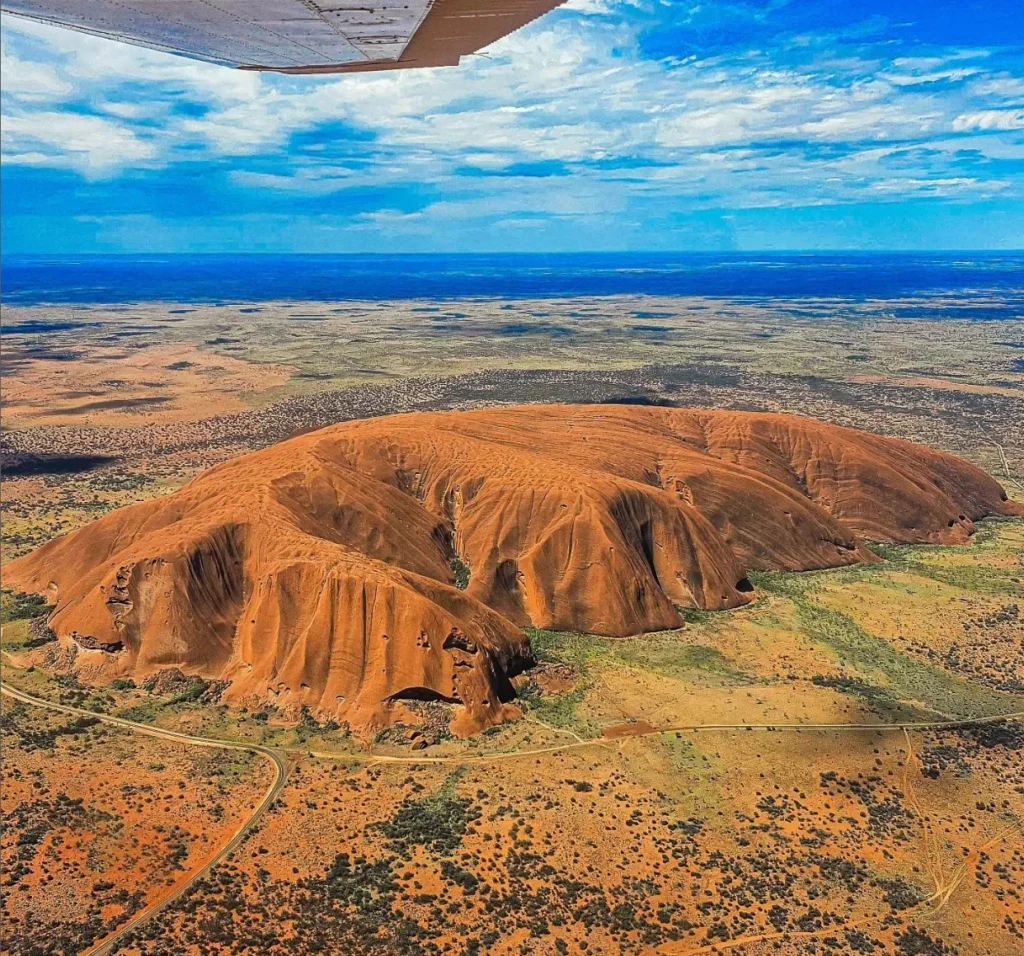
- Scenic flights: A helicopter or fixed-wing aircraft offers a bird’s eye view of the park. This is a spectacular way to appreciate the vastness of the landscape.
- Cultural tours: Led by Indigenous guides, these tours offer insights into the Aboriginal culture, stories, and traditional practices associated with Uluru and Kata Tjuta.
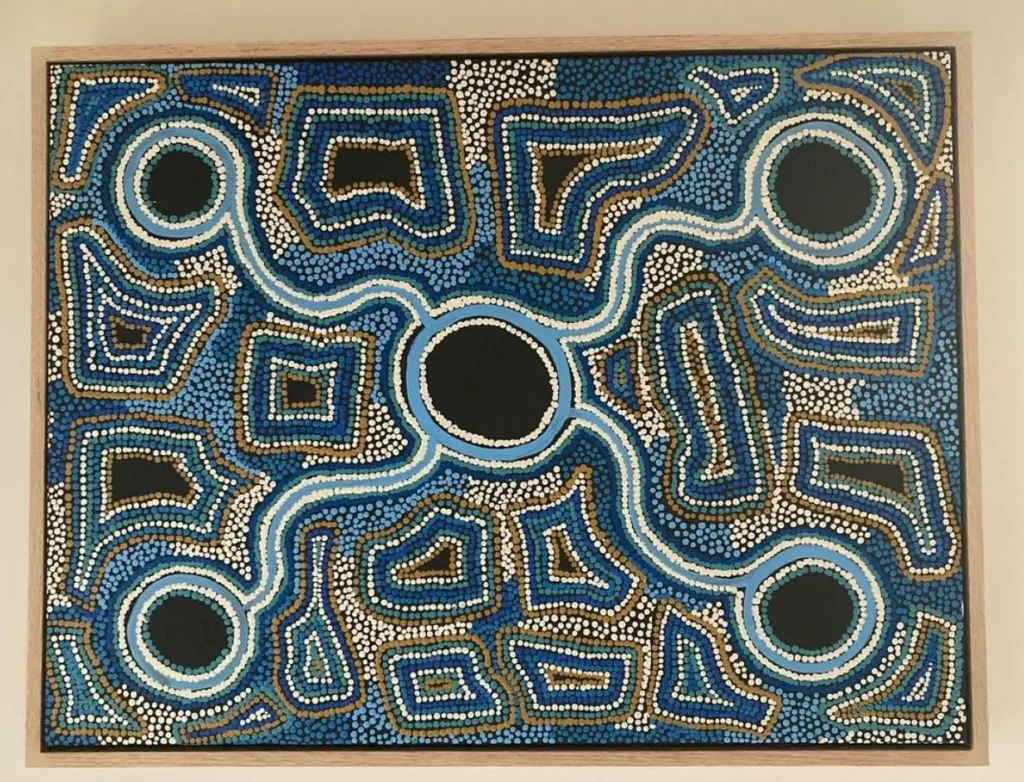
- Art workshops: Participate in sessions conducted by local Aboriginal artists at the Cultural Centre.
Visiting Uluru-Kata Tjuta is more than just a 2 day Uluru tour; it is an educational trip into one of Earth’s oldest living cultures.
Conclusion
In visiting Uluru-Kata Tjuta National Park, one crosses off more than just another destination on their travel bucket list; instead, they find themselves connecting to this ancient landscape with deep spiritual and cultural values. The experience compels visitors to reflect on their interactions with nature and to respect the Anangu people’s enduring relationship with the land. As you walk through this wonderful place, bear in mind that you are entering a living cultural landscape where each path and rock formation has a story to tell, and every viewpoint is in the soul of Australia.
FAQ
Can I bring my dog to Uluru-Kata Tjuta National Park?
No, pets are not allowed in the park to protect the native wildlife and maintain the area’s ecological integrity.
Are there specific times for drone flying within the park?
A2: Flying drones is generally prohibited in the park unless special permission is granted by Parks Australia for purposes like research or significant commercial projects.
What are the penalties for climbing Uluru?
Climbing Uluru is strictly prohibited. The ban is in place to respect the cultural values of the Anangu people, who regard Uluru as a sacred site. Visitors are strongly encouraged to comply with this rule to show respect for Aboriginal culture.
Can I swim in the waterholes at Uluru-Kata Tjuta?
Swimming in the waterholes is not permitted. These waterholes are sacred sites for the Anangu and are critical to the desert’s ecosystem.
What should I absolutely not forget to bring to Uluru?
A5 Essential items include plenty of water, sun protection, comfortable walking shoes, and a hat. Also, take photos, but know your limits when taking pictures.