



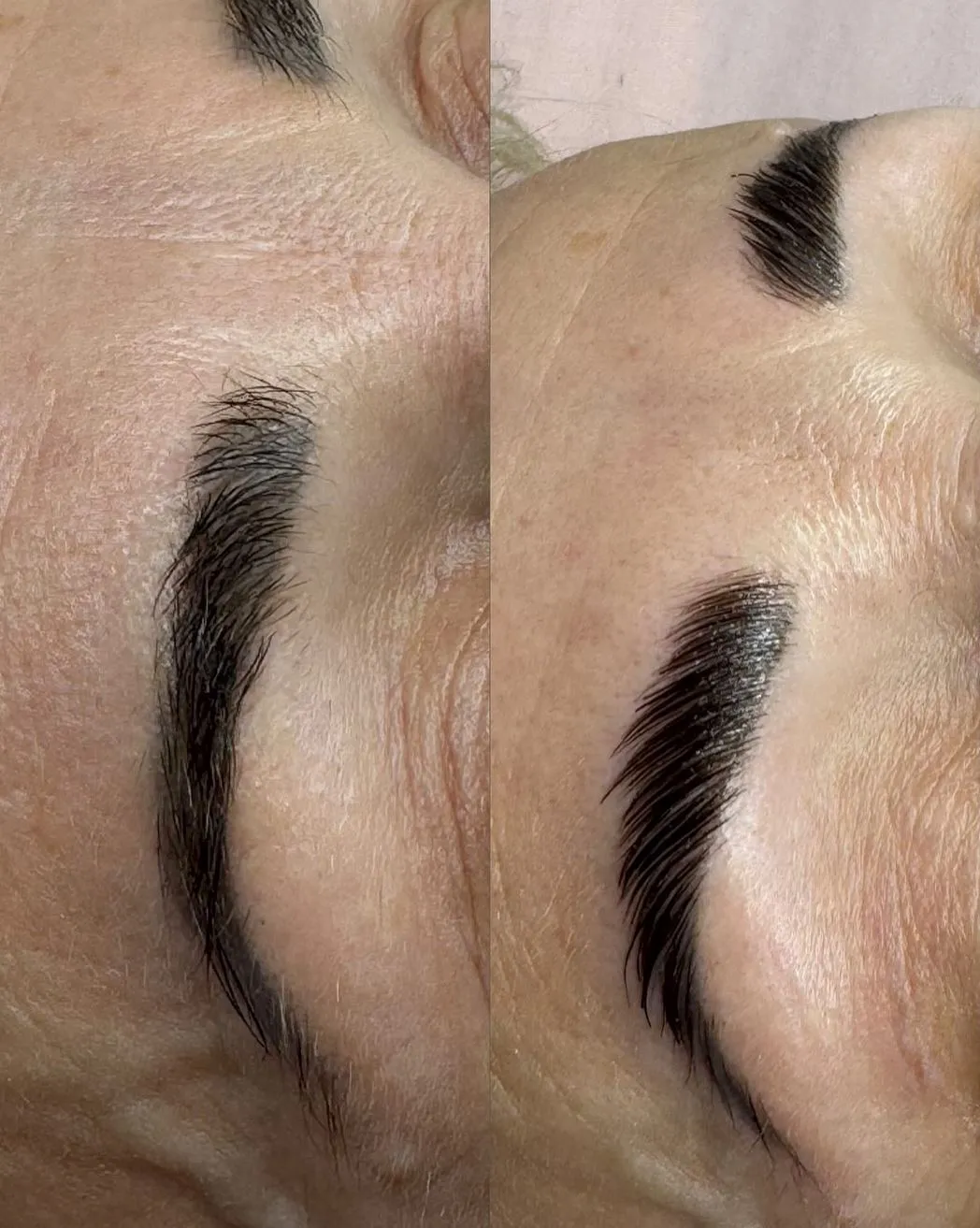
Let’s be real: brows have become their own category in the beauty world — with trends, tools, and treatments that move faster than your morning latte. And right up there with microblading and henna is brow lamination in Brisbane. It’s glossy. It’s fluffy. It’s on every second face on your feed. But here’s the catch: not everyone offering it is actually qualified. So what’s the deal?
At Cosmetic Tattoo Brisbane Studio Face Figurati, we see this all the time: people jumping into brow services without understanding the risks or requirements. Whether you’re a budding beauty therapist, lash technician, or beauty business owner, this post breaks down the legal, practical, and ethical side of qualifications for brow lamination in Australia. Spoiler: it’s not as straightforward as you’d think.
What’s Behind the Buzz?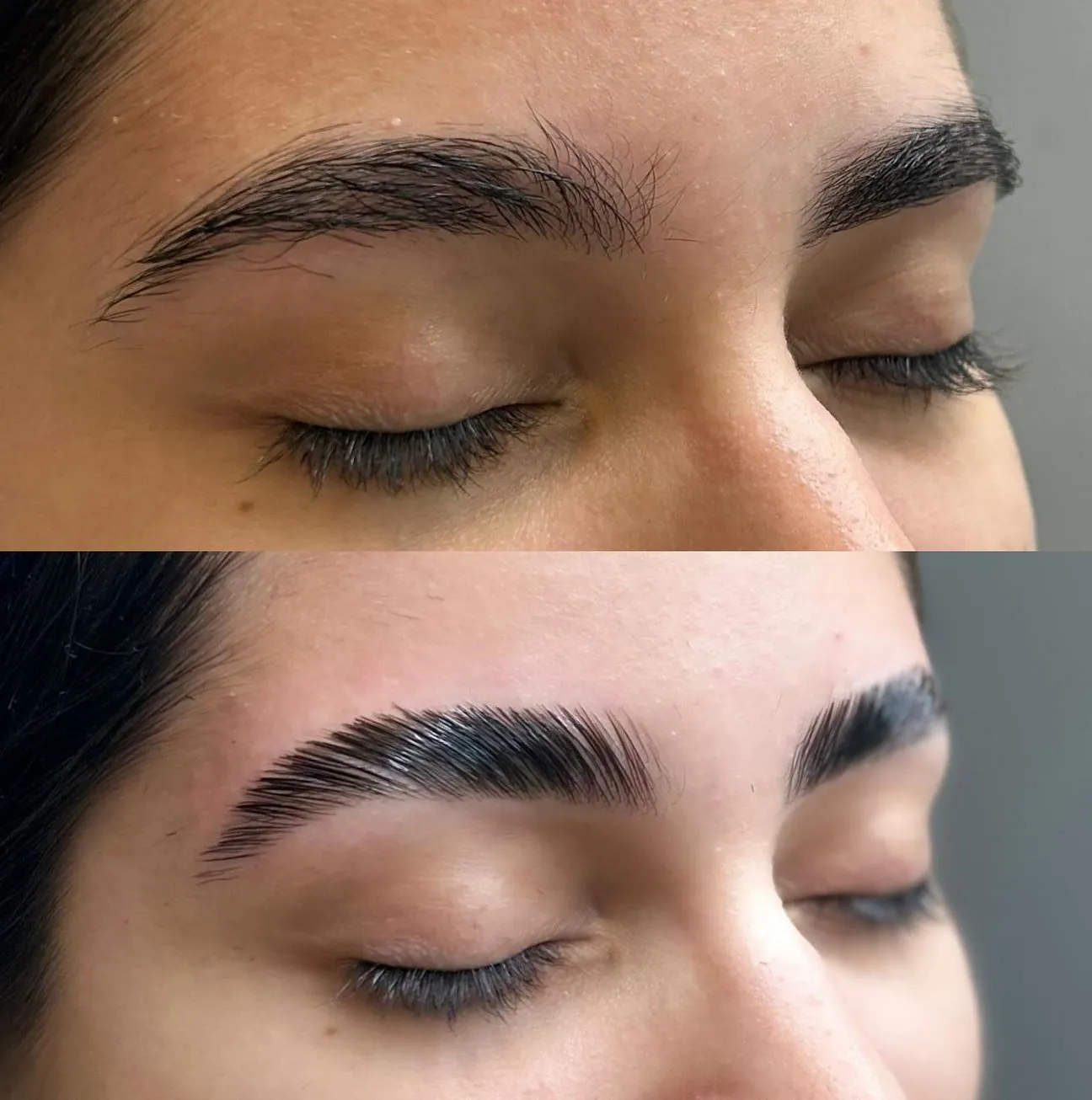
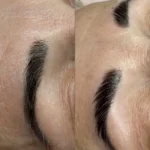
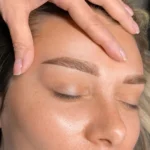
Brow lamination is like a lash lift — but for your brows. It involves chemically straightening and setting the brow hairs in place to create a fuller, brushed-up look that lasts around 4–6 weeks.
What are the reasons for its popularity?
- It delivers instant, low-maintenance results.
- It works on most brow types — from thin and sparse to thick and wiry.
- It pairs well with brow tinting, brow waxing, and shaping for a full brow transformation.
- It’s a beauty trend that offers a natural beauty finish while enhancing the overall brow game.
From the perfect brow arch to lifting stubborn hairs, it’s become the ultimate solution for eyebrows that need more shape or fullness — especially when combined with brow mapping and a tailored approach.
But with strong chemical solutions, skin exposure, and the delicate eye area in play, this isn’t a DIY sugar scrub situation. Which brings us to…
Do You Legally Need a Qualification?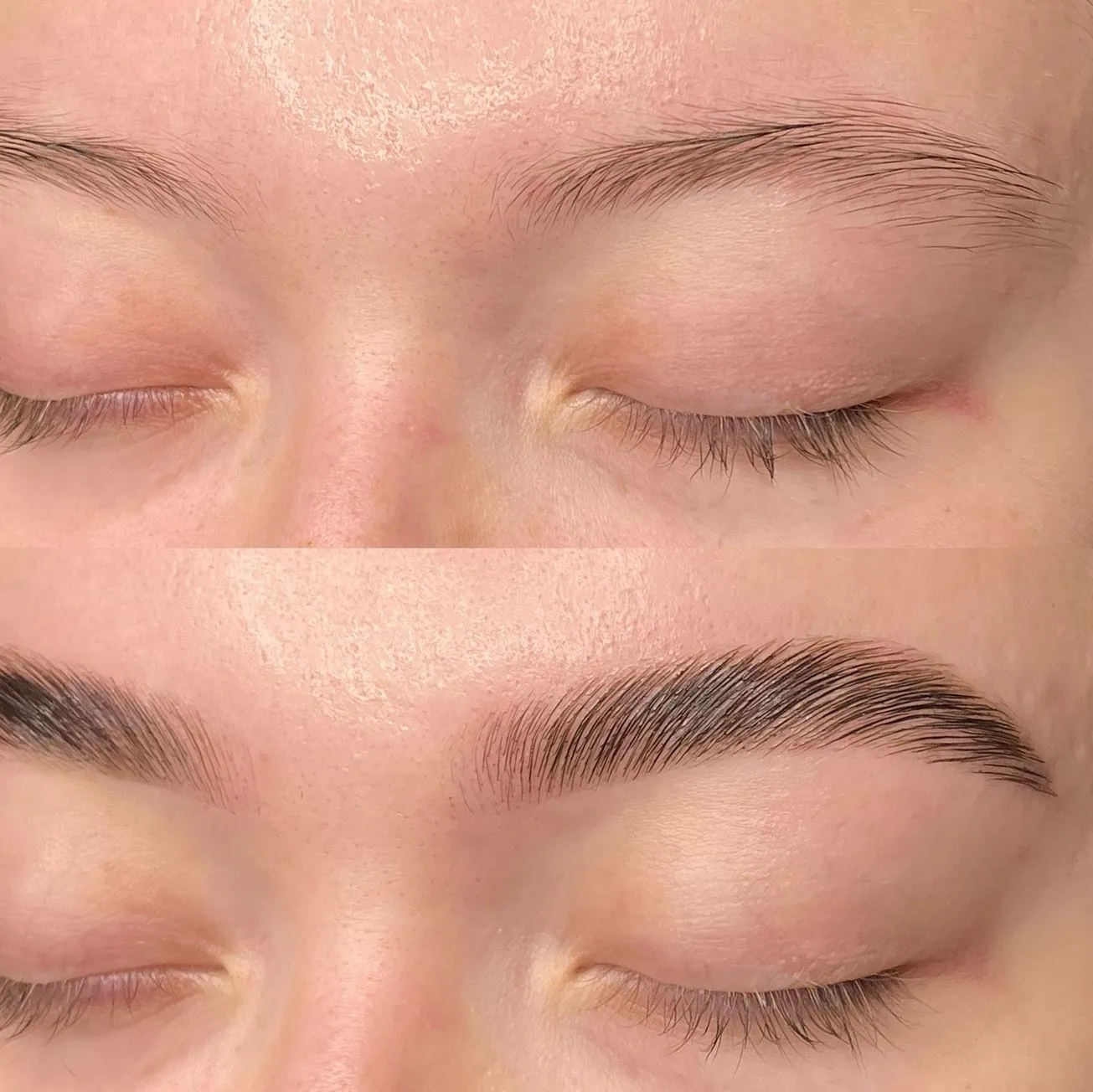
Here’s where it gets murky. In Australia, there’s no national law that explicitly states you need a specific qualification in beauty to perform brow lamination services. It’s not (yet) a regulated treatment like laser or cosmetic tattooing.
BUT — and it’s a big but — that doesn’t mean you’re off the hook.
Each state and territory has its own legal requirements around skin penetration, infection control, beauty license, and beauty salon registration. Plus, most professional insurance options won’t cover you unless you’ve completed recognised certification programs or accredited brow courses.
So while it may not be illegal to laminate brows without a certificate, you’re putting yourself (and your potential clients) at risk — legally, professionally, and hygienically — if you’re not trained.
Is Certification Necessary?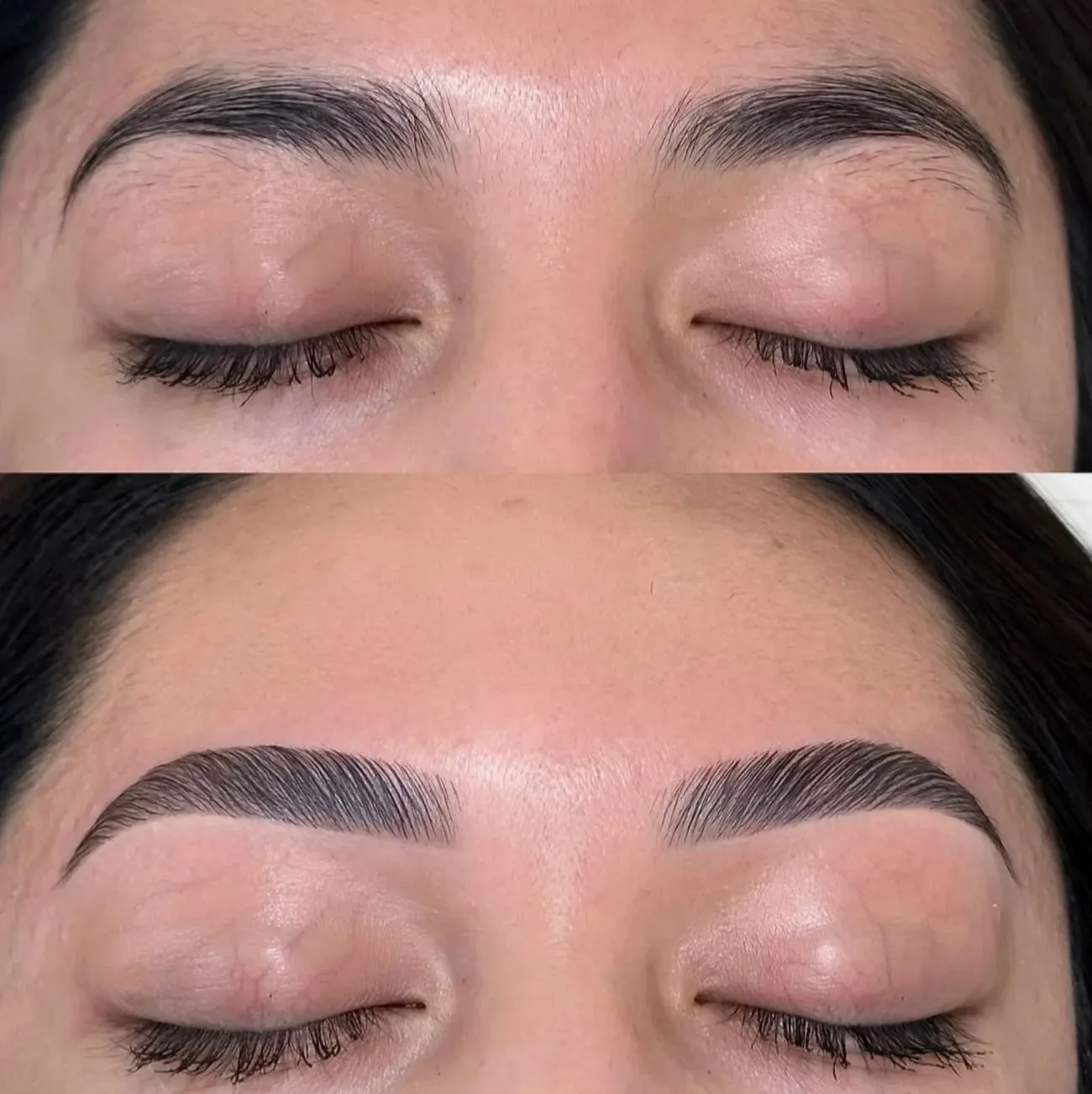
You don’t need a full Diploma of Beauty Therapy to offer brow lamination, but you do need to complete specific training in the skill of brow lamination. Here’s what to look for:
Type of Training
| Type of Training | Details |
|---|---|
| Short Courses (Non-accredited) | Run by experienced professionals or salons. It may not be nationally recognised, but it can offer excellent practical skills and hands-on training. |
| Accredited Courses | Registered training organisations (RTOs) offering units of competency. May be part of a Certificate III/IV in Beauty or other beauty courses. |
| Manufacturer Training | Product-specific brow lamination techniques. Great for learning a brand’s protocol, but often require prior brow or lash experience. |
The gold standard? A practical, in-person training day with live models, professional portfolio development, real clients, strong focus on contraindications, product knowledge, client safety, and Aftercare advice — ideally with a certificate of completion.
Considering a brow lamination course? Make sure it covers these core areas to protect your clients and build confidence in your beauty technique.
What Can Go Wrong?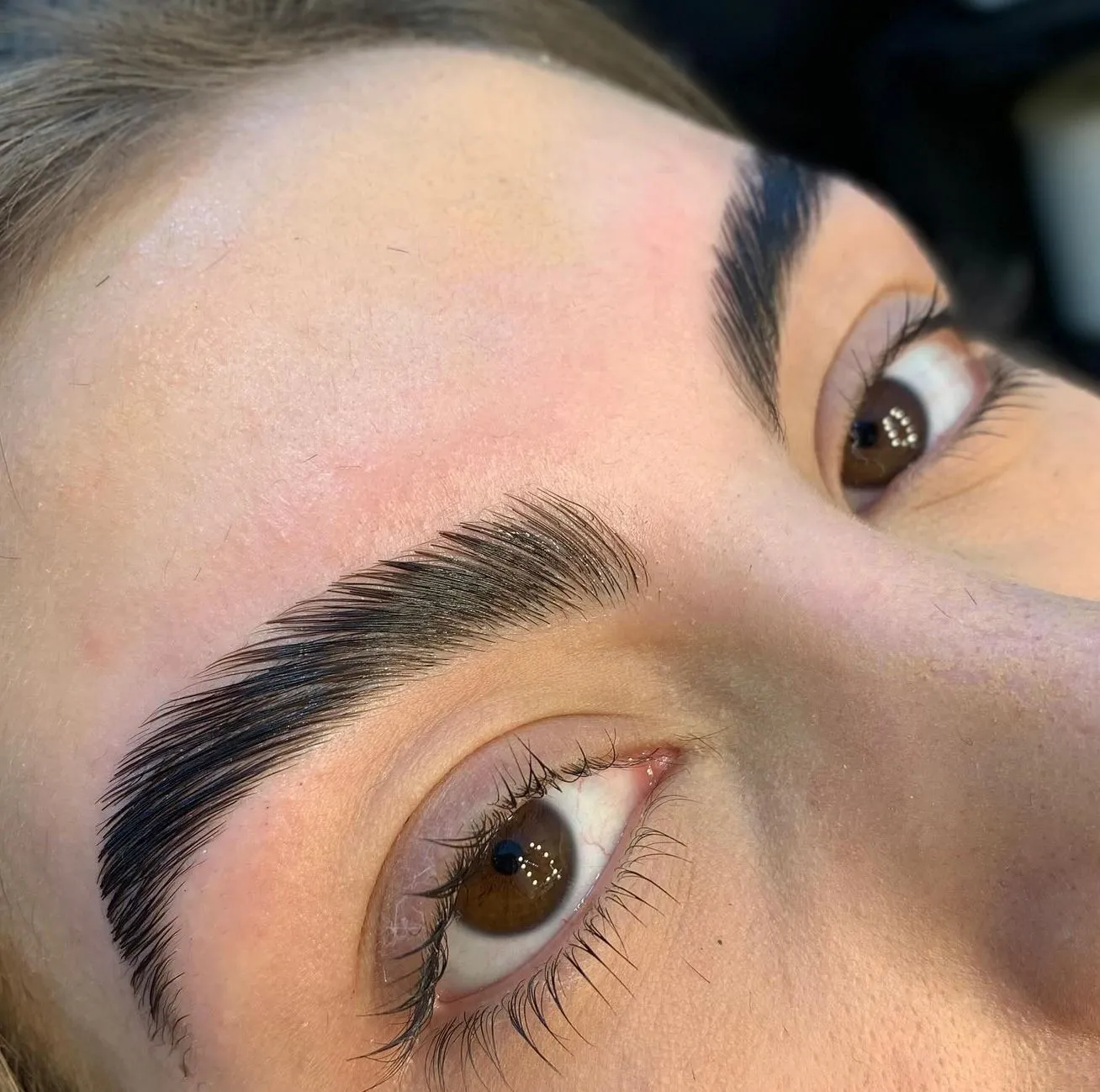
Let’s not sugar-coat it: brow lamination treatments involve chemical solutions that can cause real harm if misused. We’re talking skin burns, allergic reactions, lash loss (yep, if the solution drips), or in the worst-case scenario — eye injuries.
And if something goes wrong?
- Without insurance: You’re liable for damages.
- Without training: You may struggle to recognise or respond to adverse reactions.
- Without hygiene standards: You risk cross-contamination and infection.
In short: if you don’t know what you’re doing, your client pays the price — and so do you.
Industry Trends
According to the Australian Beauty Industry Report 2025, eyebrow lamination remains one of the top five requested brow treatments — particularly in urban salons and among clients aged 20–35.
But here’s the kicker: the same report flagged a rise in consumer complaints around brow lamination services, often linked to untrained or under-trained providers. It’s a clear sign that the beauty industry is lifting its expectations.
Clients are getting savvier. More are asking about qualifications, patch testing, Aftercare advice, and the science of brow lamination before booking. There’s plenty of opportunity here — if you’re ready to meet it.
Investing in a quality brow lamination course helps you meet this growing demand with the confidence, skills, and insurance you need to grow your beauty career.
How to Choose a Course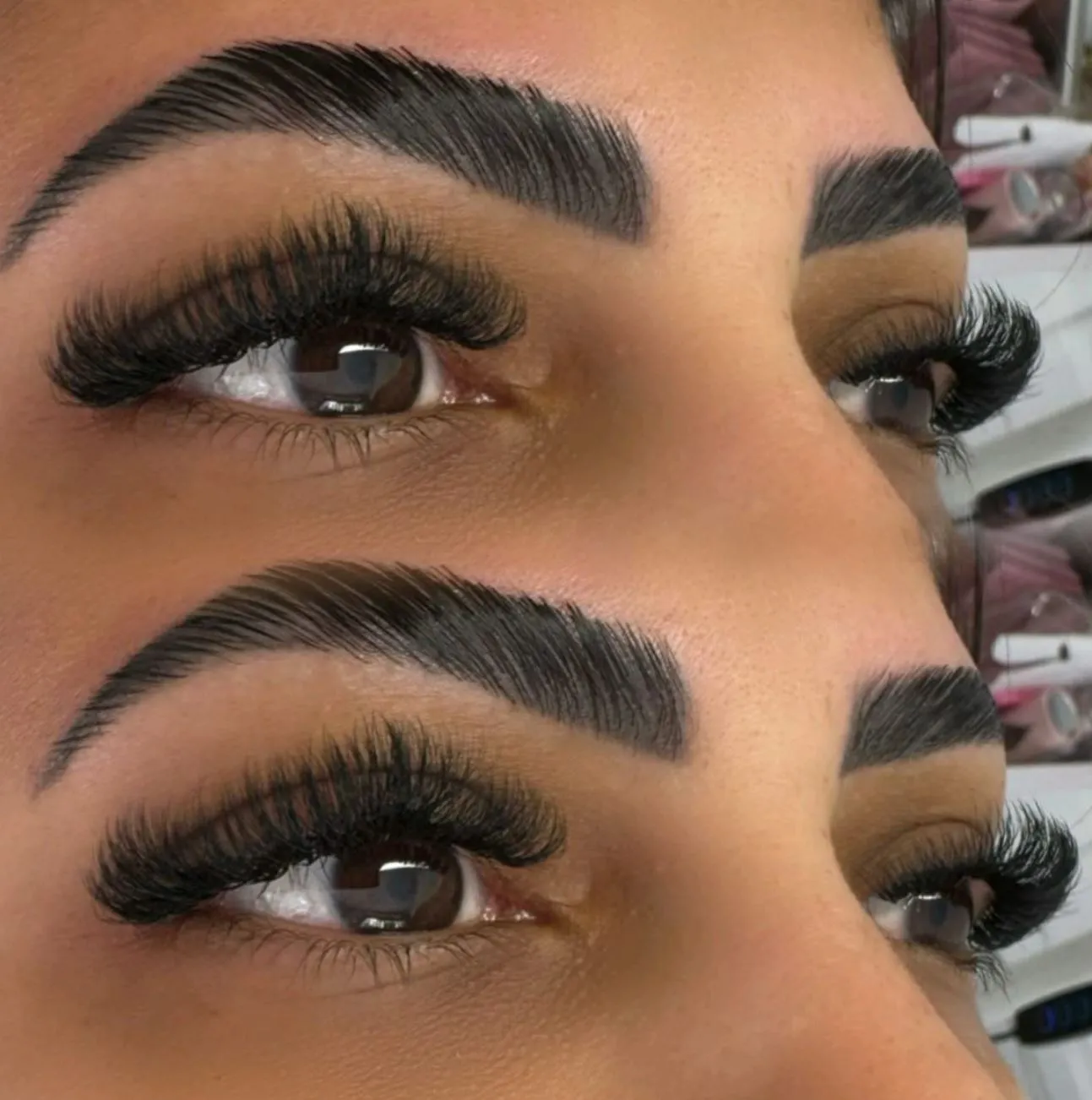
If you’re an aspiring brow artist or already offering lamination but want to tighten up your standards, here’s a checklist for choosing the right training.
Look for courses that offer:
- Hands-on experience and hands-on practice with real clients
- A certificate of completion recognised by insurers
- Infection control and hygiene training
- Product knowledge and ingredient breakdown
- Troubleshooting techniques (e.g. overprocessing)
- Application tools included or available in a custom beauty kit
- Practical assessments or an assessment process with experienced trainers
Red flags include:
- 100% online courses with no practical assessments or feedback
- No discussion of client consultation, contraindications, or allergies
- Instructors with unclear qualifications or no experience in beauty
Also ask: will you have access to a friendly team or community support after your day of training? Because even with the best course, your journey in beauty is just getting started.
Pricing, Professionalism & Insurance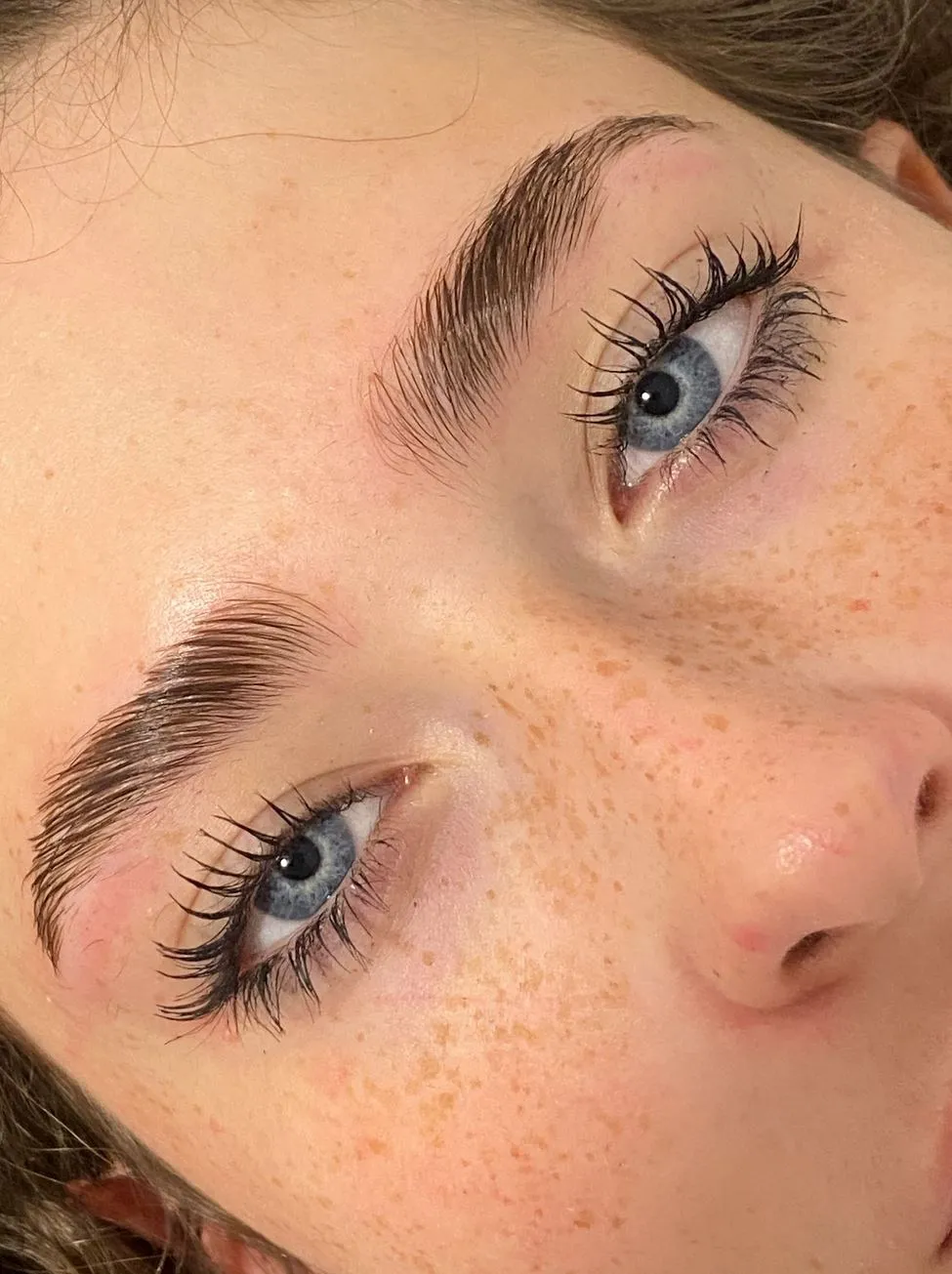
Clients are willing to pay more when they know their brow technician is trained, insured, and offers a safe environment. And insurers? They’re not handing out cover to just anyone.
Most require:
- A certificate of completion from a recognised training provider
- Evidence of continued education or continued professional development
- Documented infection control protocols
A treatment that costs $80–$120 should not be performed with $0 of training. Period.
Also consider your operating costs, cost of training, and additional costs like application tools, beauty license fees, and business resources. Some providers offer payment plans or payment plan options to make quality training more accessible.
Online Learning vs In-Person
There’s a time and place for online learning experience — especially if you already have a background in lash or brow services. Virtual classroom formats can be helpful for theory.
But if you’re starting fresh or switching from makeup application or lash extensions, opt for classroom courses that prioritise hands-on training.
The best certification programs combine:
- Theory via online resources with lifetime or unlimited access
- Hands-on practice in a supportive learning environment
- Guidance from industry professionals with experience in brow laminating, shaping, mapping and tinting
This is the foundation for a successful career in the brow industry.
Final Thoughts
Brow lamination might look easy on TikTok — but so did contouring in 2016, and we all saw how that went. This is your reputation, your beauty career, and your client’s face on the line.
If you’re serious about becoming a brow technician, take your time to find the right course. Get trained. Stay insured. Keep learning.
Whether you’re building a professional portfolio, offering a solution for eyebrows in need, or growing a beauty business — there are endless opportunities when you lead with skill and safety.
Want help choosing the right brow lamination certification or want to cross-check a course provider? Shoot me a message — I’m happy to help you strengthen your beauty technique and connect you with experienced professionals.
FAQ
Is brow lamination regulated in Australia?
Not nationally. It’s not currently a regulated treatment like cosmetic tattooing, but hygiene and licensing laws still apply — especially for beauty business owners.
Can I get insured without a brow lamination certificate?
Highly unlikely. Most insurance options require proof of training from a recognised provider before they’ll cover you.
What’s the difference between accredited and non-accredited courses?
Accredited courses are nationally recognised and often linked to qualifications like Cert III or IV in Beauty. Non-accredited courses can still be excellent, especially when taught by experienced industry professionals offering hands-on training.
How much should I charge for brow lamination?
In Australia, the average rate is $80 to $120 depending on your location, experience, and what’s included (e.g. brow shaping, brow tinting, brow waxing).
What happens if I cause a reaction during a treatment?
If you’re trained, insured, and follow correct protocols, your insurance can cover it. If not, you’re personally liable — and it can cost you your business and your reputation.