




The world of cosmetics and body art has seen numerous innovations over the years, each one more impressive than the last. Among these, cosmetic tattoo stands out as a revolutionary way for individuals to enhance their features. But with such innovations come questions, specifically about the kind of ink used in the process. Is it the same as regular tattoo ink, and if so, is it safe to use in such a delicate area?
What is permanent makeup?
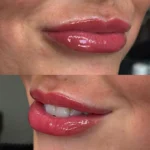
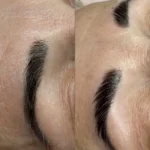
Permanent makeup, often referred to as micropigmentation or cosmetic tattooing, is a procedure where pigments are implanted beneath the skin’s surface to simulate the appearance of cosmetics. Common areas of application include the eyebrows, lips, and eyeliner regions. Unlike traditional makeup that you wash off at the end of the day, permanent makeup remains, reducing the need for daily application. Its primary appeal lies in its longevity, offering a semi-permanent solution that can last anywhere from 1 to 5 years, depending on various factors including skin type, exposure to sun, and the quality of the pigment used.
Differences between tattoos and permanent makeup
At first glance, tattoos and permanent makeup might seem like two sides of the same coin, both involving the implantation of ink into the skin. But when we delve deeper, we find marked differences. For starters, traditional tattoos go deeper into the dermis, making them permanent, while permanent makeup targets the upper layers, leading to its eventual fading over time. Additionally, the goals of each procedure vary. While tattoos often seek to convey personal expression, art, or memories, permanent makeup primarily focuses on aesthetic enhancement, mimicking the effects of daily makeup. The instruments used in each procedure also differ. Permanent makeup procedures utilize more precise equipment tailored to the intricacies of facial features, while traditional tattoos often involve broader strokes and designs.
In the realms of beauty and body art, the distinctions between procedures and materials become vital. As we explore further, we’ll see how the composition of tattoo inks plays a crucial role in whether they should be used for permanent makeup or not.
Composition of Tattoo Inks
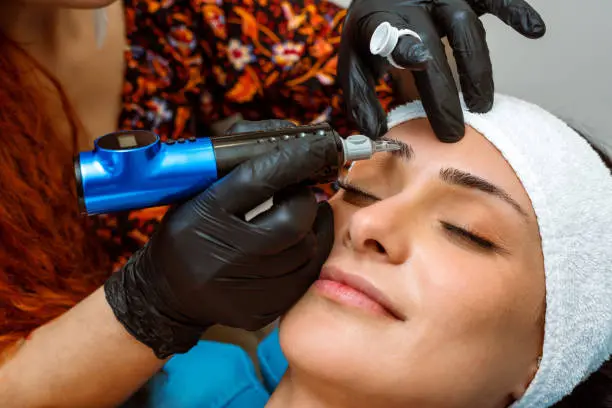
Understanding the components of tattoo inks is crucial when considering their application in various contexts, especially for something as intricate as permanent makeup. Tattoo inks have a diverse composition, which may not always be suitable for all skin areas.
| Component | Description | Considerations for Permanent Makeup |
|---|---|---|
| Pigments | These are finely ground particles that give the ink its color. Can be organic or inorganic. | The quality and source of pigments play a crucial role in the safety and longevity of permanent makeup. Certain pigments can cause allergic reactions when applied to sensitive areas like the face. |
| Carrier Solution | A liquid that acts as a solvent for the pigment, ensuring even distribution and reducing any pathogenic risk. Common carriers include ethyl alcohol, purified water, and witch hazel. | A safe and sterile carrier solution is essential for any tattoo procedure. For permanent makeup, it’s vital to ensure that the carrier doesn’t cause skin irritation, especially around delicate areas like the eyes. |
| Preservatives & Additives | These are included to prevent the growth of bacteria and other pathogens in the ink. | For permanent makeup, it’s important to ensure these don’t cause reactions or skin irritations, especially given the delicate areas of application. |
| Contaminants | Even high-quality inks can contain unintended contaminants. These can range from nickel to harmful bacteria. | Contaminants pose a significant risk for permanent makeup, given the potential for infections or adverse skin reactions. Ensuring ink purity is essential. |
| Types of tattoo inks | Traditional, UV, and vegan inks, among others. Each type differs in composition and use. | Not all tattoo inks are created equal. When considering ink for permanent makeup, it’s essential to understand which type is best suited for the procedure and the specific area of application. |
The intricate nature of permanent makeup demands a more refined approach than traditional tattooing. The ink composition is just one of many factors to consider. While tattoo inks are designed with durability and vibrant color in mind, permanent makeup inks must prioritize safety, subtlety, and adaptability to facial skin nuances.
Risks of Using Regular Tattoo Ink for Permanent Makeup
When diving into the world of permanent makeup, ensuring safety and understanding potential risks is paramount. Using regular tattoo ink for procedures designed for the face can have various unintended consequences:
- Skin reactions and allergies:
- Incompatibility with facial skin: Regular tattoo inks can sometimes be harsher and may not be suitable for the delicate skin on the face.
- Allergic reactions: Some individuals might be allergic to components in tattoo ink that might not be present in inks designed specifically for permanent makeup.
- Skin irritations: Given the face’s sensitivity, there’s a higher risk of irritation or prolonged redness when using inks not formulated for this purpose.
- Longevity and fading issues:
- Different fading rates: Regular tattoo ink might fade differently than permanent makeup ink when applied to the face, leading to unsatisfactory results over time.
- Color changes: Over time, some tattoo inks can change color. A brown eyebrow might turn blue or green, not the desired outcome for most people seeking natural-looking makeup.
- Removal complications:
- Deeper ink placement: Regular tattoo ink can sometimes be placed deeper in the skin compared to permanent makeup ink. This can complicate removal processes should you decide to reverse the procedure.
- Increased risks: Removing ink that’s not designed for the face can come with higher risks of scarring, discoloration, and other complications.
Advantages of Permanent Makeup Inks over Tattoo Inks
Given the potential risks of using regular tattoo ink for permanent makeup, one might wonder why anyone would consider it. The truth is, some might be drawn by the allure of vibrant colors and the longevity associated with traditional tattoos. However, permanent makeup inks are specially formulated for the procedure, offering several advantages:
- Nuanced colors:
- Adaptable hues: Permanent makeup inks are formulated with a wider range of shades to match and complement individual skin tones and hair colors. They’re designed to adapt to the facial skin’s natural undertones, providing a more natural and flattering look.
- Safety first:
- Hypoallergenic: Many permanent makeup inks are hypoallergenic, reducing the risk of allergic reactions.
- Regulated: The industry has stringent regulations, ensuring that the inks used are safe and free from harmful contaminants.
- Specialized: As the demand for permanent makeup has grown, so has the production of inks explicitly designed for it, ensuring optimal results.
Key Considerations Before Choosing an Ink
In the vast spectrum of beauty enhancements, the choices made can have long-lasting implications. Especially when it comes to permanent makeup, where the canvas is your face, careful consideration is essential.
Regulatory and safety aspects
The world of cosmetics and tattooing has its regulations, but not all inks are created equal. Ensure that the ink being used adheres to the safety standards of health organizations and is free from harmful chemicals or contaminants. The potential risks to your health and wellbeing should never be compromised for aesthetic pursuits.
The importance of professional consultation
It’s easy to get lured into trends and instant beauty solutions, but it’s crucial to consult with professionals who understand the nuances of permanent makeup. They can guide you on the best choices for your skin type, desired outcome, and potential risks.
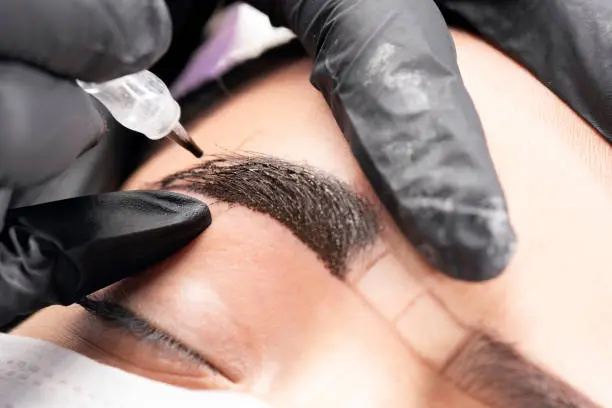
Why you should always consult before making a choice
Consulting with a seasoned professional can save you from potential mishaps, skin reactions, or simply results that don’t align with your expectations. Their expertise can guide you in making decisions tailored to your needs, ensuring you achieve the look you’re aiming for with minimal risks.
In a nutshell
Permanent makeup offers a tantalizing proposition: wake up with your makeup already flawlessly applied. Yet, as with all things related to our bodies, care and consideration are paramount. The debate about using regular tattoo ink for permanent makeup is not about aesthetics alone but about safety, longevity, and satisfaction. By weighing the pros and cons and seeking expert consultation, you can make an informed decision that you’ll be happy with for years to come.
FAQs
- Is permanent makeup truly permanent?
No, permanent makeup is a bit of a misnomer. It’s more long-lasting than regular makeup but will fade over time, usually lasting 1 to 5 years, depending on factors like skin type, sun exposure, and the quality of the pigment used. - Can I easily remove or adjust permanent makeup?
While it’s possible to undergo procedures to remove or adjust permanent makeup, it’s not as simple as washing off regular makeup. Processes like laser treatments might be required, and there’s always a risk of scarring or skin discoloration. - Are there any immediate side effects post-procedure?
Post-procedure, some people may experience swelling, redness, or tenderness in the treated area. These symptoms are usually temporary and subside within a few days. - Can I use my regular tattoo artist for permanent makeup?
While traditional tattoo artists are skilled in their craft, permanent makeup requires specialized training. It’s essential to consult with someone experienced in cosmetic tattooing to achieve the best and safest results. - Is it more painful to get permanent makeup than a regular tattoo?
The pain threshold varies from person to person. Some find permanent makeup less painful than regular tattoos, while others feel the opposite. Topical numbing creams are often used to minimize discomfort during the procedure.


